Thursday, February 23, 2012

Bonsai tree: FREE! Bonsai Wire, Scissors & Other Good Stuff

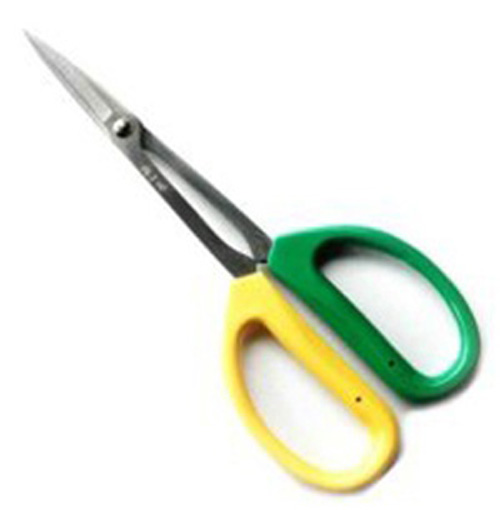
These most excellent all purpose scissors/shears are amazingly good for the price, though in this case, the price doesn’t matter because we are giving them away.


FREE items when you order from Stone Lantern


Just be sure to put FREE ITEMS in the comments box (see Rules below)


We just had a major website trauma that effectively took us offline for almost a full day. To celebrate being back online and to reward you for your patience and understanding, we’re going to give some stuff away. All you have to do is place an order and put in the comments box that you want your FREE ITEMS (see rules below).


FREE BONSAI WIRE: With orders less than $15.00 total (not including shipping), we will throw in one free 100gram roll of bonsai wire (be sure to put what size you want in the comments, if you don’t, we’ll decide what size to send you).


FREE – TWO ROLLS OF BONSAI WIRE: With orders from 15.00 to 30.00 we will throw in two free rolls of 100gram wire (see above about sizes).


FREE SCISSORS & WIRE: With orders from 30.00 to 60.00 we will throw in one pair of free scissors (see above) plus two free 100gram rolls of wire.


FREE SCISSORS, WIRE & TOOL CLEANING BLOCKS: With orders from 60.00 to 100.00 we will throw in one pair of free scissors, 2 free rolls of 100gram wire and one set of 3 tool cleaning blocks.



FREE SCISSORS, WIRE, TOOL CLEANING BLOCKS & CUT PASTE: With orders over 100.00 we will throw in one pair of free scissors, 2 rolls of free 100gram wire, one free set of 3 cleaning blocks and one free tube of Bonsai Aesthetics Cut paste. Plus you will receive your standard 5% discount for orders over 100.00.



Rules of engagement


1. You must putFREE ITEMS‘ in the comments box when you place your order. If you don’t put it in the comments, it won’t happen. No exceptions will be made.


2. Also, be sure to put what size wire you want in the comments box. If you don’t, we will put in one 1.5 diameter, and one 3.0.


3. Order amounts will be determined by the prices of the items you purchase. Shipping costs are not included in determining order amounts.


4. Free items will not show up on your sales order. Don’t worry. As long as you put ‘FREE ITEMS’ in the comments, you’ll get your rewards.


5. Sale ends at 11:59 pm U.S. Eastern Standard Time, Wed Feb 29th. No exceptions will be made.


Source: Bonsai Bark Read more!

Bonsai tree: Bonsai stamps


Source: Bonsai Tonight

Bonsai stamps


The USPS unveiled a new series of bonsai stamps last month. The artist, John D. Dawson of Hawaii, came out to Sacramento’s McKinley Park for the “first day issue” rollout. Had I known, I might have attended.


I first heard about the project 18 months ago when the USPS wanted to license the image of one of my trees. The artist had used a photo of my black pine from Bay Island Bonsai’s 2003 exhibit as a reference for the stamp. Upon seeing the design, I was immediately struck by the likeness.


Black pine - based on my tree!


Black pine stamp – January 2012


Black pine


Black pine – January 2003


The USPS included a bit of a bonsai primer in their announcement of the series, and followed up with a nice piece about how the project took shape.  The other stamps in the series feature a banyan, a trident maple, a Sierra juniper, and an azalea – a colorful mix!


Banyan


Banyan


Trident maple


Trident maple


Sierra juniper


Sierra juniper


Azalea


Azalea


This is the most fun I’ve had since my hinoki was featured in a cosmetics catalog.


Hinoki


Hinoki – “The Giving Tree”


Read more!

Wednesday, February 22, 2012

Bonsai tree: Can There Ever Be Too Many Flowers?

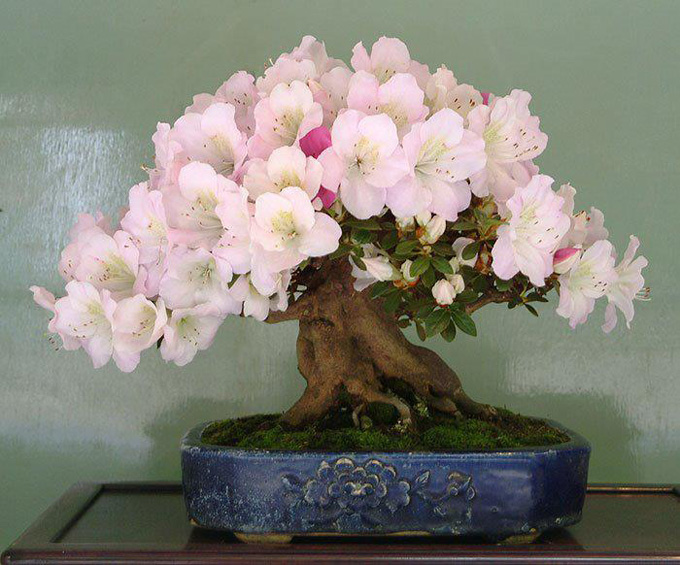
This azalea would be an excellent bonsai even without the flowers. With the flowers, I’d say it’s a stunningly beautiful bonsai. I found it on Tae Kukiwon Bonsai. One thing I like about this sweet little tree, is how, even though the flowers are stunningly striking, the trunk holds its own. A trunk with less power and character wouldn’t stand a chance. Like so many photos on facebook, it’s unattributed.


Can there ever be too many flowers?

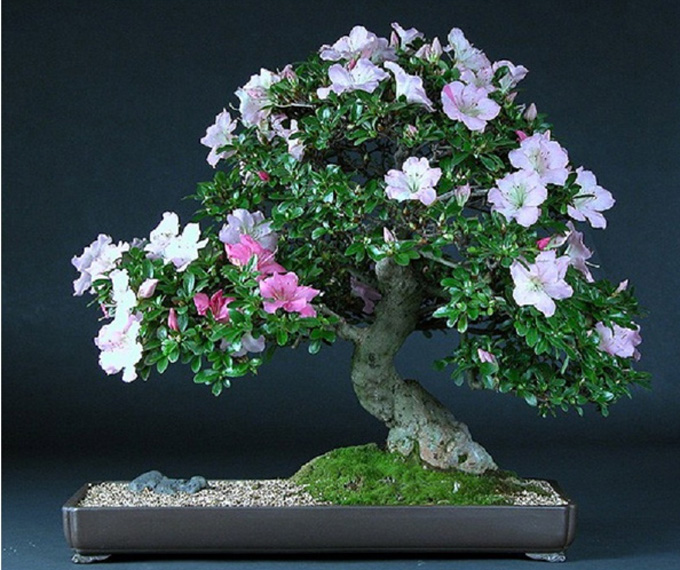
If you look at the two azaleas in this post, you’ll see that the one above is covered with flowers, while the one below shows a mix of flowers and foliage. Some bonsai and landscape artists think that flowers work best when used judiciously; as an accent or highlight, rather than as the whole story. Others (most of us) seem to feel that the more flowers, the better.


East versus West?

Perhaps the difference is cultural. In Japan, you’ll often see flowers used as highlights (bright spots). In the West, you’ll often see flowers used in a completely dominant way; flowers for flowers sake. Before you get too excited, I know that these kinds of too-easy-generalizations are fraught with danger; that there are examples in Japanese horticultural arts of flowers for flowers sake, still, if you look at the Japanese art of ikebana versus the Western art of flower arranging, for example (or bonsai and landscape gardening, in some cases at least), you’ll find ample evidence of cultural differences in the way flowers are used.


Though the tree isn’t in the same league as the one above, it provides an example of the less-is-more approach, where the flowers don’t overwhelm the viewer. This allows other features to stand out. Things like the shiny glow of the foliage, the trunk, the overall shape of the tree, and the way it is planted (a somewhat unusual saikei style in this case). I found this photo here (also unattributed).


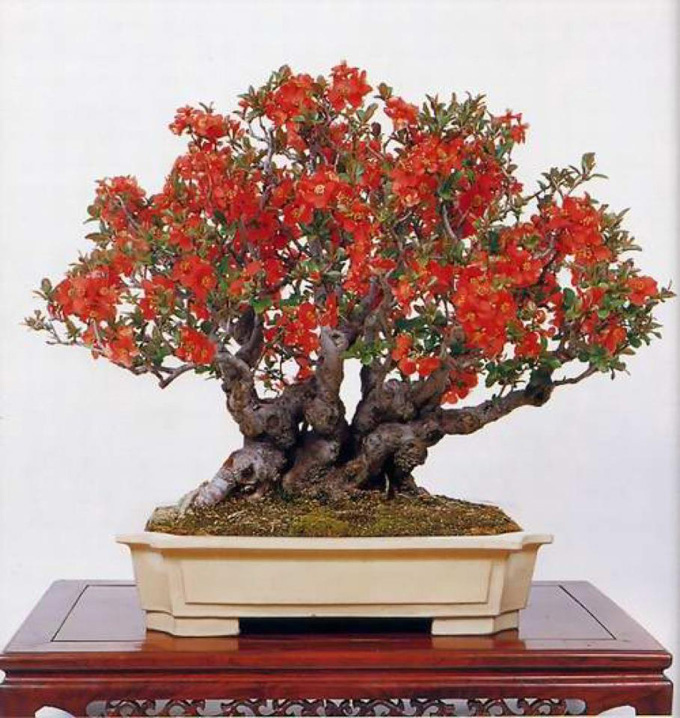
This quince shows a profusion of flowers, but still, there’s space for the trunks, the pot and other features to be appreciated. It’s from the same place as the photo immediately above (and it’s also unattributed).


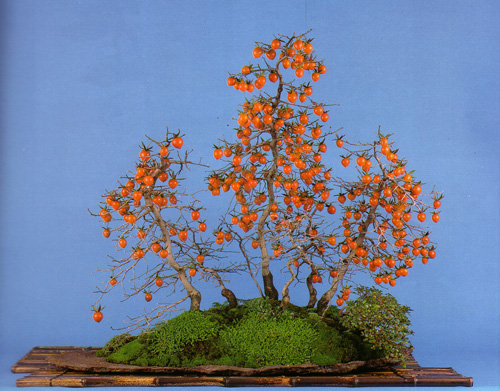
Color is not just about flowers. This Princess persimmon (Diospyros kaki) is from Bonsai Today issue 39 and is a rerun from an earlier Bonsai Bark post. Among other things, it’s a good example of balanced color contrast, especially with the choice of background color.


Source: Bonsai Bark Read more!

Tuesday, February 21, 2012

Bonsai tree: Bonsai stamps


Source: Bonsai Tonight

Bonsai stamps


The USPS unveiled a new series of bonsai stamps last month. The artist, John D. Dawson of Hawaii, came out to Sacramento’s McKinley Park for the “first day issue” rollout. Had I known, I might have attended.


I first heard about the project 18 months ago when the USPS wanted to license the image of one of my trees. The artist had used a photo of my black pine from Bay Island Bonsai’s 2003 exhibit as a reference for the stamp. Upon seeing the design, I was immediately struck by the likeness.


Black pine - based on my tree!


Black pine stamp – January 2012


Black pine


Black pine – January 2003


The USPS included a bit of a bonsai primer in their announcement of the series, and followed up with a nice piece about how the project took shape.  The other stamps in the series feature a banyan, a trident maple, a Sierra juniper, and an azalea – a colorful mix!


Banyan


Banyan


Trident maple


Trident maple


Sierra juniper


Sierra juniper


Azalea


Azalea


This is the most fun I’ve had since my hinoki was featured in a cosmetics catalog.


Hinoki


Hinoki – “The Giving Tree”


Read more!

Saturday, February 18, 2012

Bonsai tree: Much More Than Just Shohin

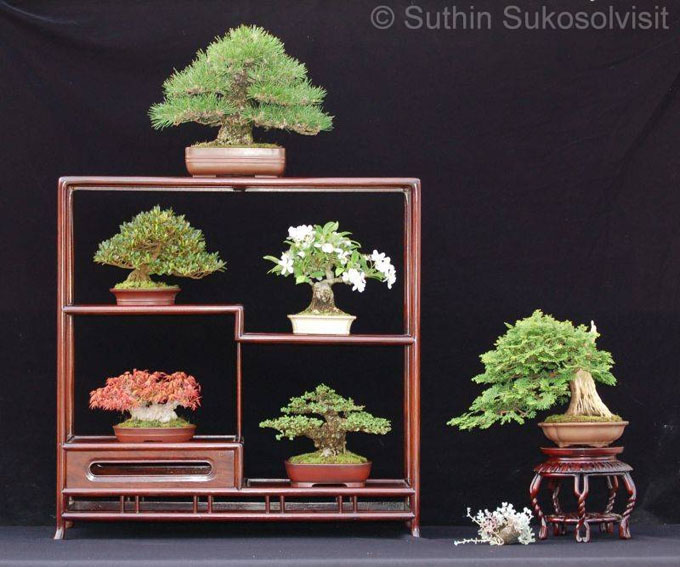
I picked up this slightly faded photo off BonsaiCafé’s photo album on facebook. No criticism of BonsaiCafé intended. Especially given that high quality photos of Suthin Sukosolvisit’s bonsai are hard to come by. And anyway, a slightly faded photo of Suthin’s trees is much better than no photo of Suthin’s trees.


One of our most accomplished

I have long been a fan of Suthin Sukosolvisit’s bonsai, and though I try not to get into the personality end of things on this blog, I must admit that I find Suthin, in addition to being one of our most accomplished bonsai artists, a thoroughly decent human being. I miss my occasional visits with Suthin and Dara (another thoroughly decent human being) at Royal Bonsai since I moved away from the Boston area; so it’s nice to see Suthin and his bonsai pop up on the internet from time to time.


Much more than just shohin

Though Suthin is known for his shohin bonsai, his talents aren’t restricted to just the small end of the spectrum. Mid-sized and even large bonsai are also part of his highly skilled repertoire.


A very small complaint

I’ve never seen any real high quality photos of Suthin’s bonsai. I’m hoping they exist somewhere, though I suspect they don’t. Maybe someone out there will make it happen.


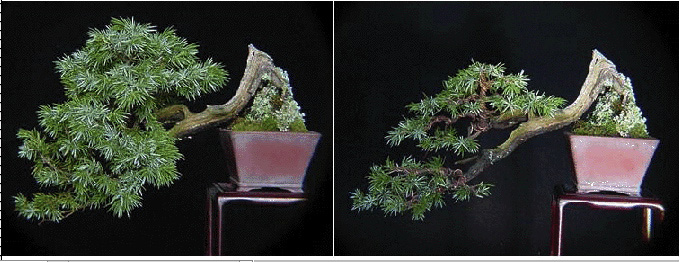
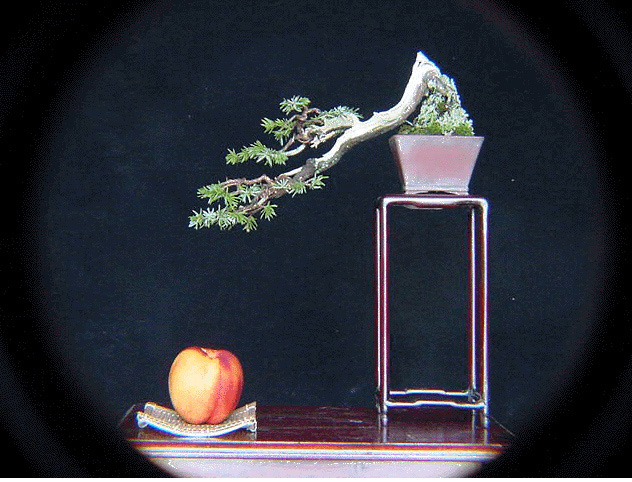
These before photos of a Communis juniper are from Suthin’s Royal Bonsai website. Though the photos are small, the quality isn’t bad. The after photo below, however…


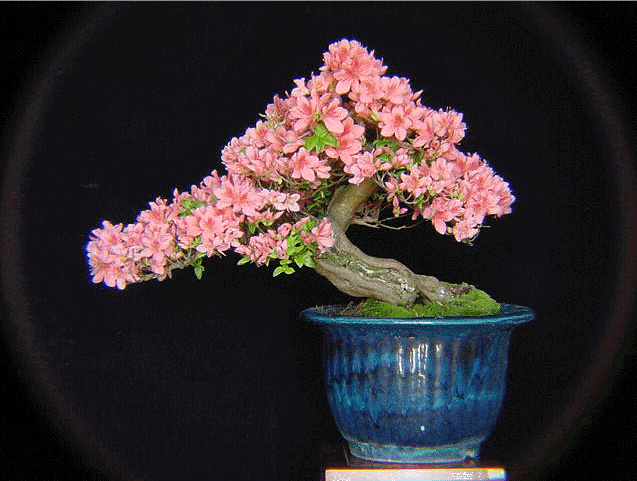
Azalea. Also from Suthin’s Royal Bonsai website (as are the two photos below).


This Japanese maple is an example of Suthin’s skills with a larger-than-shohin sized bonsai.  It’s a pretty good photo, though it was so small that I had to enlarge it. Thus the slightly fuzzy quality.


Great tree. Great pot.


Source: Bonsai Bark Read more!

Friday, February 17, 2012

Bonsai tree: Pines and junipers at Meifu-ten


Source: Bonsai Tonight

Pines and junipers at Meifu-ten


Central Japan will not run out of pine or juniper bonsai anytime soon. The trees below comprise about a fifth of the bonsai displayed at this year’s Meifu-ten in Nagoya, Japan. As a hobbyist exhibit, Meifu-ten shows off some of the best work done by local hobbyists and collectors. Although many of trees were prepped for the exhibit by professionals, the general quality isn’t quite what one finds at Taiken-ten or Kokufu-ten. That said, the material and much of the work is wonderful.


Shimpaku


Cascade shimpaku on root stand


Shimpaku


Shimpaku


Black pine


Black pine


Black pine


Black pine


The following six trees belong to Aichi-en customers. All of us at the nursery that week – Mr. Tanaka, the other Mr. Tanaka, Peter Tea and I, all helped pluck errant needles, wire unruly branches, oil dirty pots and arrange small tufts of moss.


Black pine


Black pine – Peter Tea prep – a very nice tree


Black pine


Black pine – one of the trees I helped prep for the exhibit


Black pine


Black pine – the tree belongs to Mr. Tanaka, a 3rd year apprentice at Aichi-en – Peter Tea prep


Black pine


Black pine – the other tree I prepped


Black pine


Black pine – Peter Tea prep


White pine


White pine – Mr. Tanaka and Peter Tea wired this tree late into the evening


Black pine


Black pine


White pine


White pine


Black pine


Black pine


Black pine


Black pine


Black pine


Black pine


Black pine


Black pine


Shimpaku


Shimapaku


Red pine


Red pine


Needle juniper


Needle juniper


White pine


White pine


Black pine


Black pine


The white pine below received some extra attention. It belongs to a Daiju-en customer and had been prepared for exhibit with the front as pictured below.


White pine


White pine – intended front


I placed the tree on the stand with this front but that wasn’t good enough for Mr. Tanaka, who turned the tree to the front pictured below. As it happens, the six-sided pot and six-sided stand made the change easy. What I don’t know, is what the customer thought when he saw the resulting photo or how the tree was actually displayed at the exhibit in January.


White pine


White pine as photographed


White pine


White pine


Shimpaku


Twisty shimpaku!


Black pine


Black pine


White pine


White pine


Black pine


Black pine


White pine


White pine


Black pine


Black pine


Black pine


Black pine


Read more!